

Setting the Stage
In my role as Founding Product Designer at Obenan, I identified a critical bottleneck in our acquisition model: growth was capped by a heavy reliance on manual sales outreach. I stepped in to lead the vision for Omnipulse, a self-serve lead generation experience, and successfully orchestrated executive alignment to pivot our customer journey toward a scalable, digital-first strategy. My focus was on digitally representing the expertise of a high-performing sales representative, delivering the immediate, data-driven value necessary to capture high-intent leads and accelerate product activation.
Role
Founding Product Designer
With
Obenan

To unlock our next phase of growth, I addressed two primary friction points:
External: The Customer Trust Gap
The Manual Bottleneck: Growth was constrained by our sales team’s capacity for 1:1 demos, creating a high-friction entry point for new users.
The Value Deficit: Business owners couldn’t understand the product’s value on their own, and there was no "early value" moment to build trust before the commitment of onboarding.
Internal: Strategic & Technical Realities
Executive Alignment: Orchestrating a cultural shift from a sales-led mindset toward a digital-first strategy that automated the "tribal knowledge" of our top performers.
Data & Cost Feasibility: Navigating unreliable third-party data (Apify/Uberall) and managing high API costs related to report generation. An inaccurate report would undo the trust it was meant to build.
Bridging the Growth Gap
Challenge

My methodology was split between internal alignment and external user experience:
Internal: Strategic Alignment
Knowledge Synthesis & Alignment: I facilitated cross-functional workshops and interviews of our top sales performers, translating their high-conversion pitch strategies into a unified product vision.
Operational Viability: I collaborated with Engineering to balance the design vision against technical constraints.
External: User-Centric Intelligence
Persona Mapping: I led interviews to align the Omnipulse reports with the core anxieties of business owners: visibility, reputation, and revenue.
Validated Feedback: I utilized my AI workflow to identify patterns across hundreds of customer touchpoints, ensuring the product solved for high-frequency pain points at scale.
The Strategic Rubric
I developed the See, Act, Grow framework as a strategic rubric to align the entire company. It acted as an evaluation tool for our roadmap: if a feature or data point didn't directly help a customer see their problem, act on a solution, or grow their business, it was excluded.
See (Personalized Intelligence): Delivering an immediate "Aha!" moment through personalized insights that help business owners understand their performance, identify gaps, and uncover opportunities for growth.
Act (Low-Friction Entry): Bridging the gap between insight and commitment. I designed low effort actions to transition users from passive leads to active participants.
Grow (Continuous Value): Proving ROI through visualization. The system reinforces value by showing expanded search footprints and ranking improvements, driving long-term retention.
From Insight to Framework
Approach
I designed Omnipulse as a standalone, self-serve entry point that transformed our acquisition from a manual friction point into a high-velocity digital engine.
External: The Product-Led Experience
I architected a journey that builds immediate trust by delivering value before asking for commitment.
Zero-Setup Diagnostic: Owners search for their business and get an instant visibility report before signing up. By letting owners skip setup, I moved the “Aha!” moment to the very start of their journey.
Revenue Visualization: Building on that initial insight, I designed a module using a custom Price Prediction Model to estimate how much potential revenue owners were missing out on, making the financial impact of poor visibility more tangible.
Guided Activation: I designed the transition into the core platform as a natural next step, using report insights to suggest low-friction actions that drive initial product success.
Internal: The Scalable Business Engine
The solution acts as a digital twin of our top sales representatives, automating high-intent lead generation.
24/7 Lead Generation: Omnipulse captures and warms up leads around the clock, ensuring the sales team spends their time on informed, high-intent prospects.
Operational Feasibility: To manage high API costs and data gaps, I designed a user-assisted flow where owners provide missing data to improve report accuracy.
Designing the Growth Engine
Solution
Reflection
Impact
Strategic Pivot to PLG: Successfully shifted the organization from a manual, sales-dependent model to a scalable, product-led engine that relies less on sales headcount.
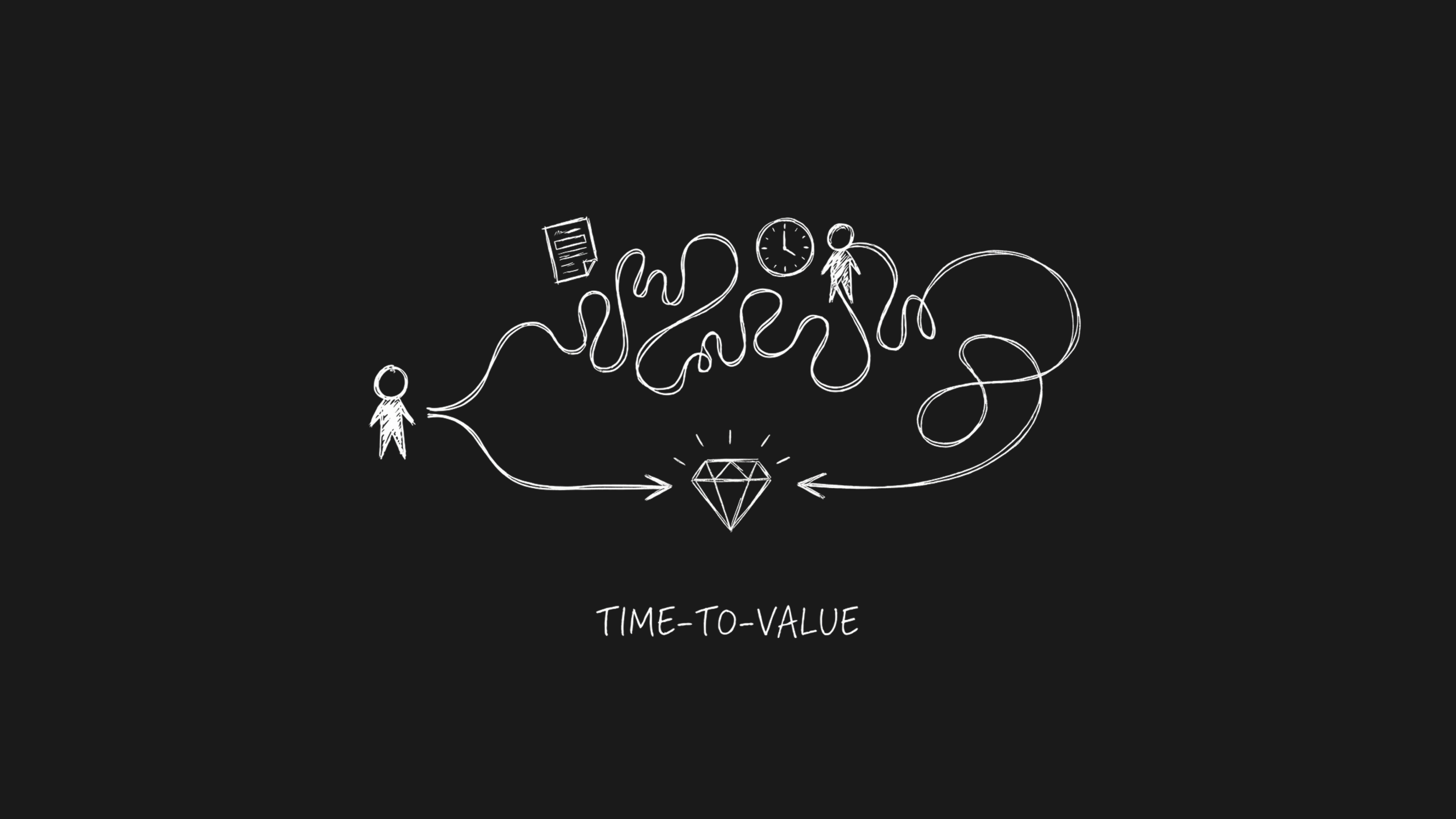
Time-to-Value: We shifted the measure from how long setup takes to how fast people see value. Owners could see how their business was performing before committing, instead of waiting for a sales demo.
Sales Enablement & Active Adoption: The sales team fully integrated the tool into their daily outreach, using the automated reports to provide instant, personalized proof of value during prospecting and live demonstrations.
Bridged the Value Gap: By linking abstract visibility metrics directly to personalized revenue potential, the design provided the tangible proof of ROI necessary to build immediate trust with busy business owners.
From Lead-Gen to Core Product: Omnipulse’s scores became the foundation for how the core product presented value.
What Didn’t Work
Accuracy Over Automation
Our original idea was simple: owners search for their business and instantly receive a complete report, no questions asked. But the data from Apify and Uberall had gaps, resulting in reports that weren't always accurate enough to build trust. Filling those gaps through additional API calls would have driven costs too high.
I worked with Engineering to rethink the experience, keeping the instant report while asking owners for a few key details we couldn't reliably source, like seating capacity.
It reinforced an important lesson: removing friction isn't always the goal. Sometimes, one well-placed question builds more trust than an instant answer that gets your business wrong.